

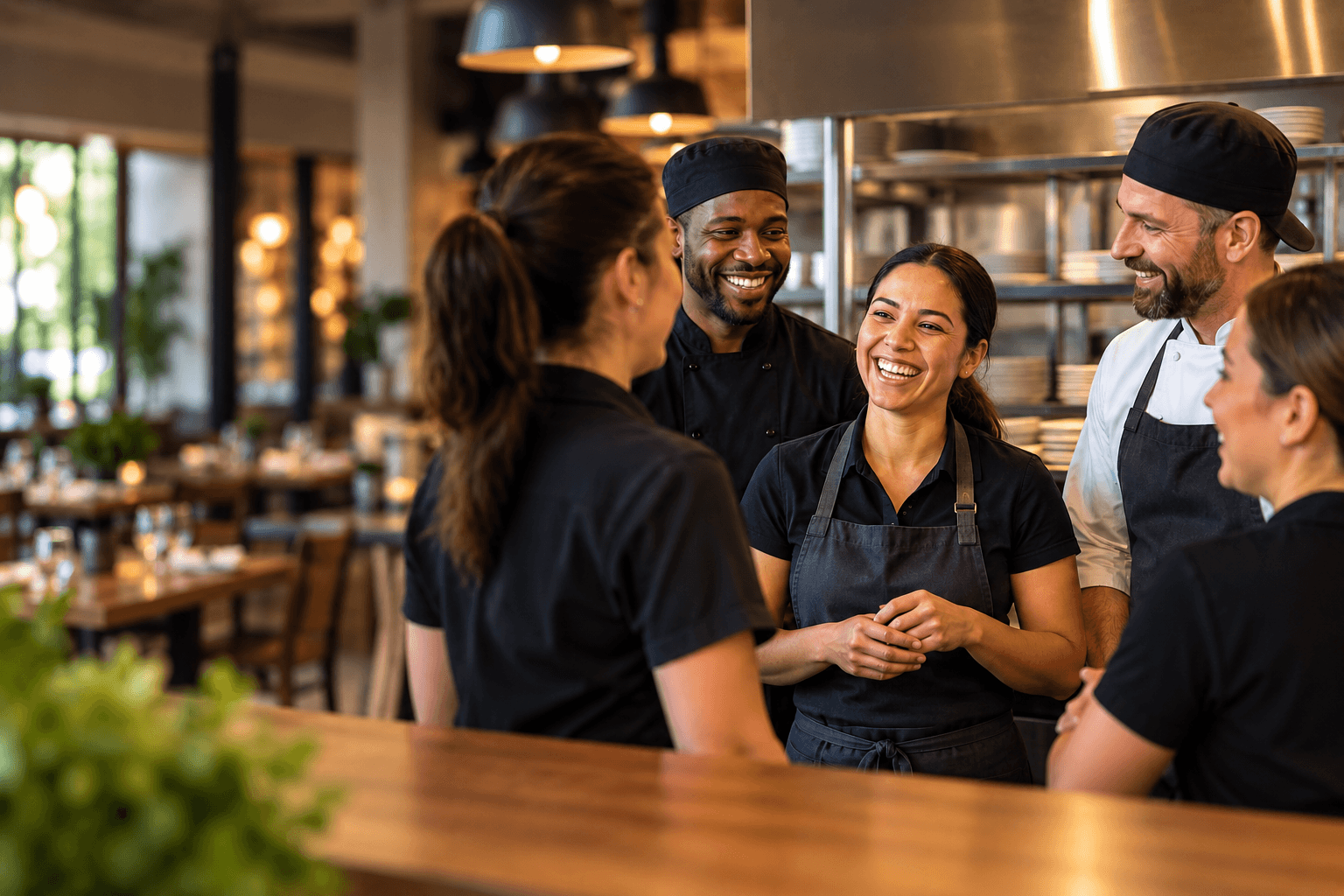
Ask a restaurant owner what keeps their business moving, and you’ll hear many different answers. Some will talk about their food. Others will point to their location, their recipes, or the relationships they’ve built with loyal guests over the years.
All of those things matter.
Your Restaurant’s Greatest Investment Is Its People
But after working with restaurants for years, we’ve come to believe that the greatest investment any restaurant makes isn’t found on the menu. It’s the people who show up every day to bring that menu to life.
Restaurant owners understand this better than anyone.
They know that a great employee is difficult to replace. They know how much time it takes to train someone new, earn their trust, and build a team that works well together. They also know that when employees feel respected, supported, and valued, guests notice the difference.
That’s why payroll is about much more than issuing paychecks.
For employees, payday represents something deeply personal. It’s rent that's due next week, groceries for their family, a car payment, or money they’ve worked hard to earn. They trust that every hour they worked was recorded correctly, that overtime was calculated accurately, and that they’ll be paid on time, every time.
It’s a responsibility that deserves careful attention.
Why Restaurant Payroll Is More Complex Than It Looks
Restaurant payroll, however, is rarely simple. Schedules change daily, employees pick up extra shifts, overtime rules apply differently depending on the situation, and tips, bonuses, and paid time off all become part of the equation. As restaurants grow, managing payroll accurately becomes increasingly complex, especially when owners are already balancing hiring, scheduling, inventory management, vendor relationships, and guest satisfaction.
That’s one of the reasons restaurant payroll services have become such an important part of running a healthy business. Accurate payroll doesn’t simply keep employees happy. It helps restaurants stay compliant with tax regulations, maintain reliable financial reporting, understand labor costs, and make better staffing decisions throughout the year.
Understanding Restaurant Labor Costs and Profitability
Labor is one of the largest expenses for almost every restaurant, yet it’s also one of the most important investments a business can make. The goal isn’t simply to reduce labor costs. It’s to understand them. Financial reporting should help owners see whether staffing levels match business volume, whether schedules reflect current demand, and whether labor is supporting profitability without sacrificing the guest experience.
Those conversations often happen during our financial reviews. Owners rarely ask whether payroll was processed correctly. They assume it was. Instead, they ask bigger questions. Are we scheduling efficiently? Why have labor costs changed? Should we hire another manager? Are we growing in a sustainable way?
Those questions aren't really about payroll.
They’re about building a stronger business.
How Payroll Fits Into Your Restaurant’s Financial Picture
That’s why we believe restaurant payroll should never exist in isolation. It works alongside restaurant bookkeeping, financial reporting, inventory management, tax planning, and cash flow to provide a complete picture of the business. Each piece supports the others, helping owners make decisions with greater confidence instead of relying on instinct alone.
Strong Restaurants Are Built by Strong Teams
Running a restaurant has always been about people. Guests remember how they were treated, employees remember how they were valued, and owners remember the teams who stood beside them during their busiest seasons.
Processing payroll may happen behind the scenes, but its impact is felt throughout the entire restaurant.
When employees know they’ll be paid accurately and on time, trust grows. When owners understand how payroll influences the financial health of their restaurant, they gain clarity. And when both happen together, the business is built on something much stronger than numbers alone.
After all, restaurants may be known for the meals they serve, but they’re built by the people who make every service possible.