

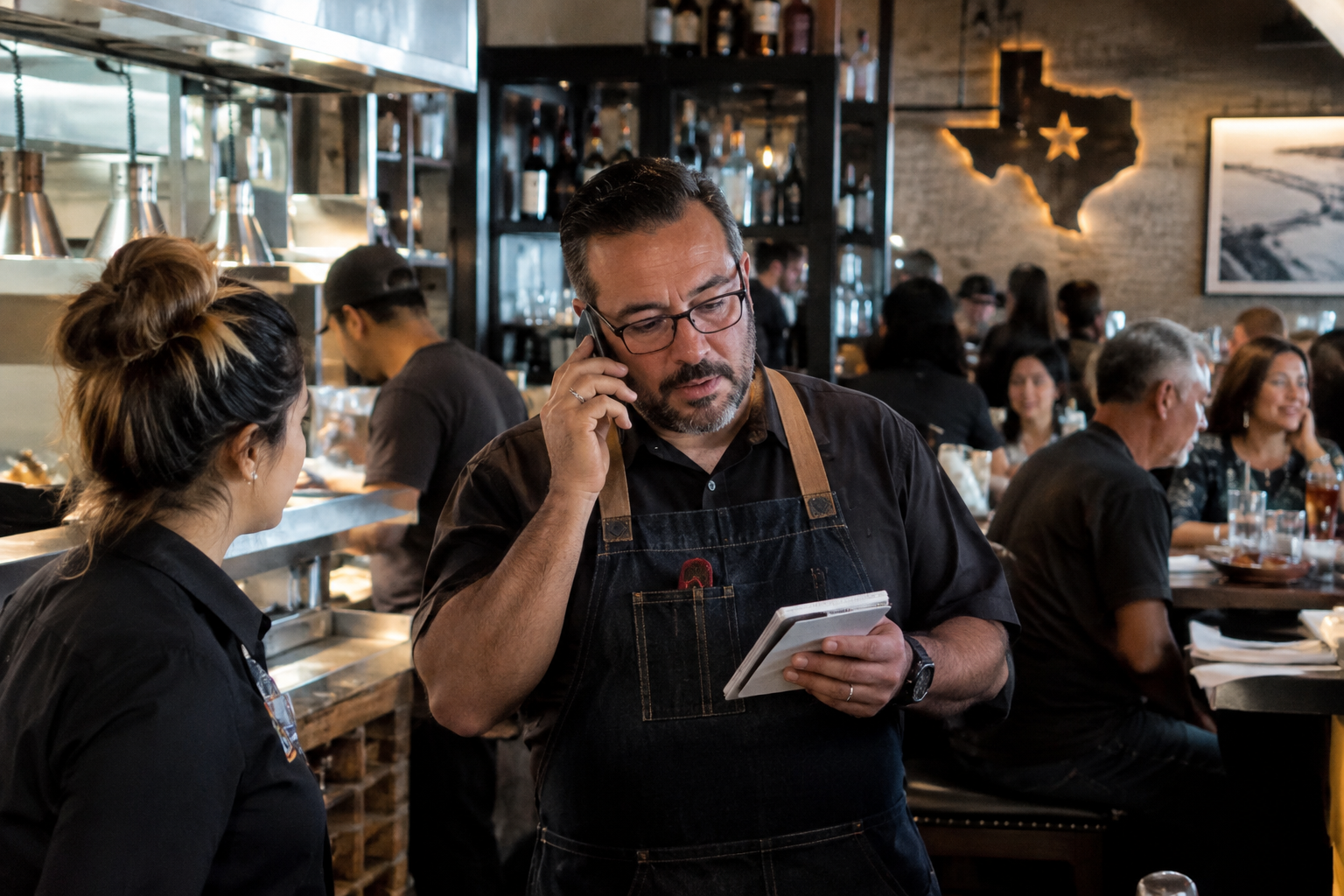
You arrive at your restaurant with a plan for the day. Maybe you want to review last month's numbers, work on a new menu, or finally sit down and think about your next location.
But then the day starts.
An employee calls in sick. A supplier delivers the wrong order. A customer needs your attention. Someone has a question about payroll. Before you know it, it's closing time, and you haven't touched a single thing on your original list.
Sound familiar?
For restaurant owners, there's always something that needs attention. The challenge isn't finding more things to do. It's knowing which ones deserve your time.
And sometimes, the most important work isn't the most urgent.
1. Start With What Keeps Your Restaurant Running
Some things simply can't wait. If your kitchen is short-staffed, equipment breaks down, or a guest has a serious complaint, those problems need to be addressed.
But not every issue requires the owner's involvement.
Ask yourself: Am I the only person who can solve this, or am I just the person everyone is used to asking?
Building a team that can handle everyday decisions gives you more time to focus on running the business instead of constantly putting out fires.
2. Make Time for Your Numbers
When you're busy managing employees, customers, and daily operations, reviewing financial reports can easily fall to the bottom of your list.
But your numbers tell you things that a busy dining room can't.
Are food costs increasing? Is labor taking up too much of your revenue? Are sales growing while profits remain the same?
You don't need to spend hours looking at spreadsheets every day. Start by setting aside time each week to review sales, food costs, labor costs, and cash flow.
A restaurant can be busy and still struggle financially. Knowing your numbers helps you recognize problems before they become bigger ones.
3. Focus on What Only You Can Do
As a restaurant owner, your time is valuable. And while you might be capable of handling almost everything, that doesn't mean you should.
Think about the decisions that truly need your attention.
Hiring the right managers. Building relationships with your customers. Planning for growth. Improving profitability. Creating the kind of restaurant people want to return to.
These are responsibilities that can shape the future of your business.
If your entire day is spent answering routine questions and solving small problems, when do you have time to work on those bigger priorities?
4. Learn to Delegate Without Losing Control
Delegating doesn't mean stepping away from your restaurant. It means creating a business that doesn't depend on you for every decision.
Start with tasks that are repetitive, time-consuming, or better handled by someone with specific expertise.
Give your managers clear responsibilities, establish expectations, and create simple ways to track results.
The same applies to your financial operations. Having reliable bookkeeping, organized records, and accurate financial reports means you can spend less time chasing information and more time using it to make decisions.
The goal isn't to do less because you care less. It's to make sure your attention goes where it has the greatest impact.
5. Don't Forget to Think Beyond Today
It's easy to spend every day focused on what's happening right now.
But what about next month? Next quarter? Next year?
Are your menu prices keeping up with costs? Is your team prepared for growth? Are you building enough cash reserves for slower periods? Is your restaurant becoming more profitable, or simply busier?
Set aside time each month to look at the bigger picture.
Even one uninterrupted hour dedicated to planning can help you identify opportunities and make decisions that get overlooked during the daily rush.
So, Where Should Your Focus Go?
Here's a simple question to ask yourself at the beginning of each day:
What's the one thing I can do today that will make the biggest difference for my restaurant?
Some days, the answer will be solving an operational problem. Other days, it might be reviewing your financial performance, coaching a manager, or making a decision you've been postponing.
The important thing is to make that choice intentionally instead of letting every interruption decide how you spend your time.
Because being a successful restaurant owner isn't about doing everything yourself. It's about knowing what matters most, building the right team, and having the information you need to make better decisions.
At Cerboni Services, we understand how demanding restaurant ownership can be. We specialize in restaurant bookkeeping and financial management, helping owners stay on top of their numbers so they can focus on what they do best: running and growing their restaurants.