

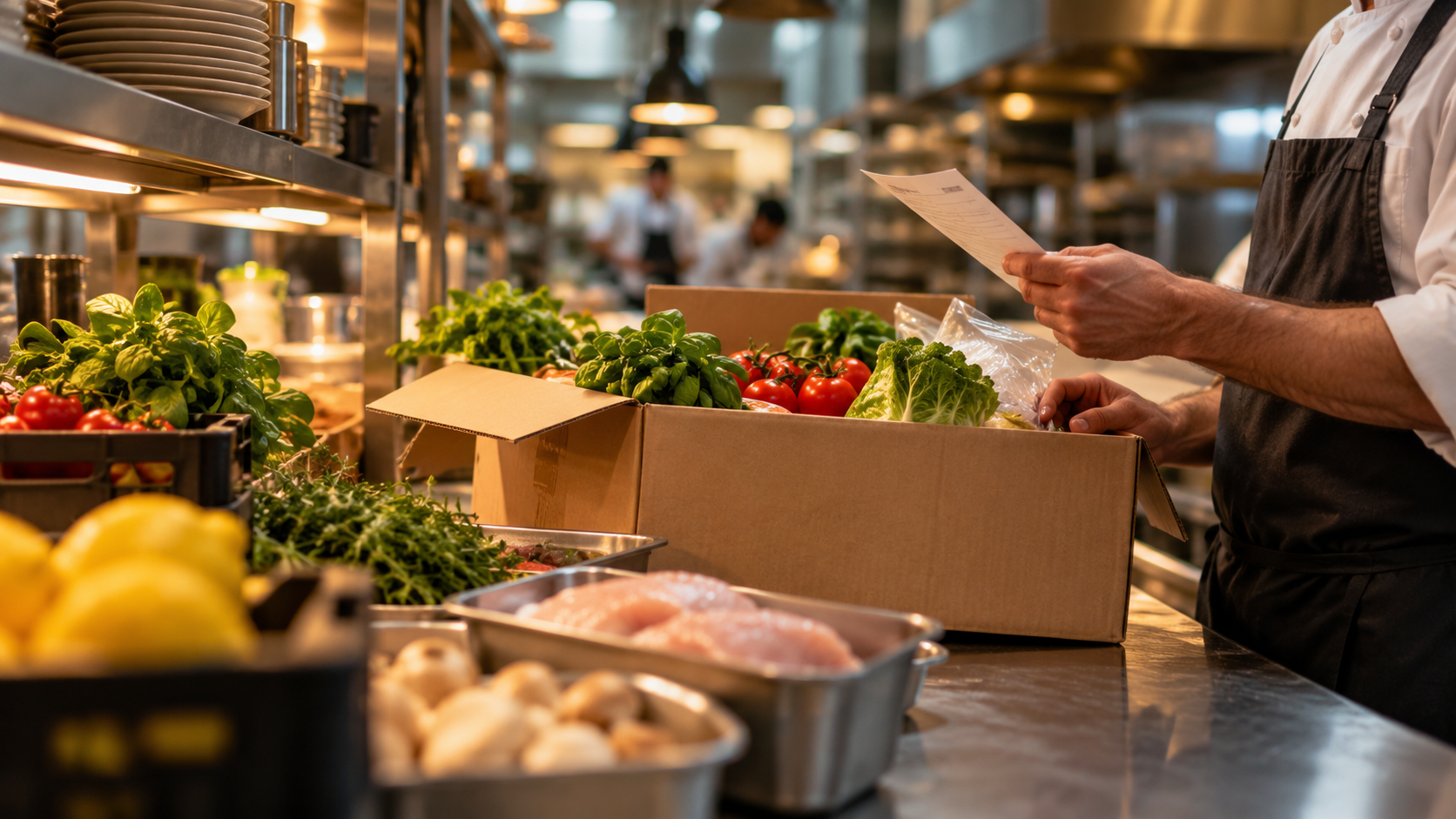
Every restaurant owner knows how quickly a normal delivery can turn into another busy part of the day. Boxes arrive, invoices are signed, ingredients are checked, and the kitchen starts preparing for service while there are already a dozen other things demanding attention. Somewhere between reviewing schedules, answering vendor calls, checking reservations, and making sure everything is ready to open, another invoice gets filed away.
Maybe the price of beef went up again. Produce costs a little more than last month, or one of the ingredients used in a popular dish increased by an amount that doesn't seem significant enough to worry about. These changes happen so frequently in restaurants that it's easy to accept them as part of doing business. Then a few weeks or months later, you review your financial statements and notice something that doesn't make sense. Sales are strong, the restaurant is busy, but the profit you expected to see isn't there.
That's usually when the question changes from how much are we selling to where is the money going?
Why Restaurant Food Cost Matters More Than You Think
Food cost is one of the most important numbers in restaurant profitability, but it's also one of the easiest to misunderstand. Restaurant owners know what they're paying for ingredients because they negotiate with vendors, approve invoices, review menus, and watch prices change throughout the year. What can be much harder to see is how hundreds of small changes eventually affect the financial health of the restaurant.
A small price increase multiplied across hundreds of orders can become significant. A little more waste every week can quietly affect margins, while an ingredient that has increased in cost without a corresponding menu adjustment can turn a popular dish into a much less profitable one. Inventory can create another challenge because when it isn't tracked accurately, it becomes difficult to determine whether higher food cost is coming from purchasing, waste, portioning, pricing, or a combination of several factors.
That's why restaurant food cost shouldn't simply be viewed as another expense on a Profit and Loss statement. It can tell you a great deal about what's happening inside the operation, especially when you compare it consistently instead of looking at one month in isolation.
Your Restaurant's Food Cost Is What Really Matters
For restaurant owners, the most important question isn't necessarily whether food prices in general are increasing or decreasing. Different ingredients, vendors, and markets behave differently, and every restaurant has its own menu and purchasing patterns. What really matters is understanding what is happening to your food cost and whether those changes are beginning to affect your restaurant's profitability.
How Restaurant Bookkeeping Helps You Understand Food Costs
That's where accurate restaurant bookkeeping and inventory management become especially valuable. Good financial information should allow an owner to look beyond the total amount spent with vendors and understand whether food cost percentage is changing, whether purchasing is growing faster than sales, whether inventory levels make sense, and whether menu pricing still reflects the actual cost of producing each dish.
We've always found this to be one of the most interesting parts of restaurant accounting because the financial statements aren't separate from what happens inside the restaurant. They're a reflection of it. A change in food cost may begin with a vendor invoice, an inventory discrepancy may begin with portion sizes or waste, and a change in profitability may come from dozens of small operational decisions that seemed insignificant when they were made.
Restaurant Financial Reporting Should Explain Why
At Cerboni, we believe restaurant financial reporting should help owners understand more than what happened last month. The more valuable conversation is understanding why it happened and what that information can tell you about the decisions you're making today.
Sometimes the answer is straightforward. A major ingredient increased significantly in price and affected the cost of several menu items. Other times, it requires a closer look at the operation. Sales may have increased while purchasing increased even faster, inventory levels may be growing without a corresponding increase in revenue, or a menu item that has always been a guest favorite may no longer be producing the margin it once did. Several small changes can happen quietly for months before their combined effect becomes obvious in the financial statements.
That's when restaurant bookkeeping becomes much more than keeping accurate records. It becomes a way to connect what's happening in the restaurant every day with what's happening financially.
Connecting Restaurant Accounting to Better Decisions
Restaurant owners already make hundreds of decisions every week. They decide what to order, how much to prepare, who to schedule, when to adjust the menu, which vendors to work with, and when the business is ready for its next investment. Accurate restaurant accounting, inventory management, and financial reporting give owners another perspective on those decisions by showing how they ultimately affect cash flow and profitability.
Small Changes Can Have a Big Impact on Restaurant Profitability
Protecting restaurant profitability doesn't always require making one dramatic change. Sometimes it begins by noticing that a vendor price has been increasing for several months, that food cost percentage is slowly moving in the wrong direction, that inventory doesn't quite match expectations, or that menu pricing hasn't been reviewed since ingredient costs changed.
Your guests will probably never see any of those numbers. They'll see the meal that arrives at their table, the service they receive, the atmosphere you've created, and the experience that makes them want to come back. Behind that experience, however, is a business that needs healthy margins to continue doing what it does best.
Understanding the Story Behind Your Restaurant's Numbers
Understanding your food cost isn't about watching every penny or allowing numbers to dictate every decision. It's about having enough visibility to recognize when something is changing before that change becomes a much bigger problem.
Because when your food cost changes, the number itself only tells you part of the story. Understanding why it changed is what helps you decide what to do next.